Blog
Heartbeat Liveness Check: The New Frontier of Mobile App Security

Heartbeat Biometrics: The New Frontier of Mobile App Security
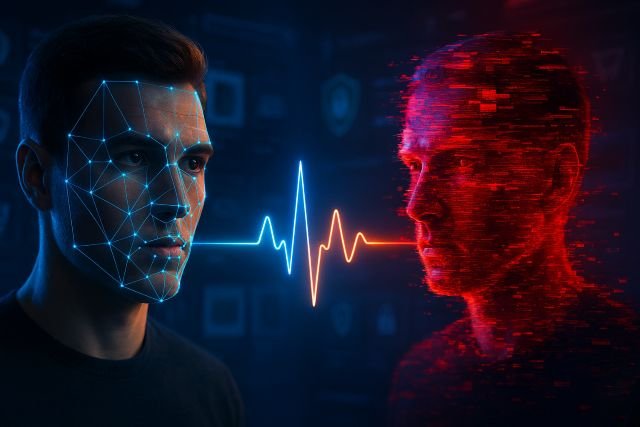
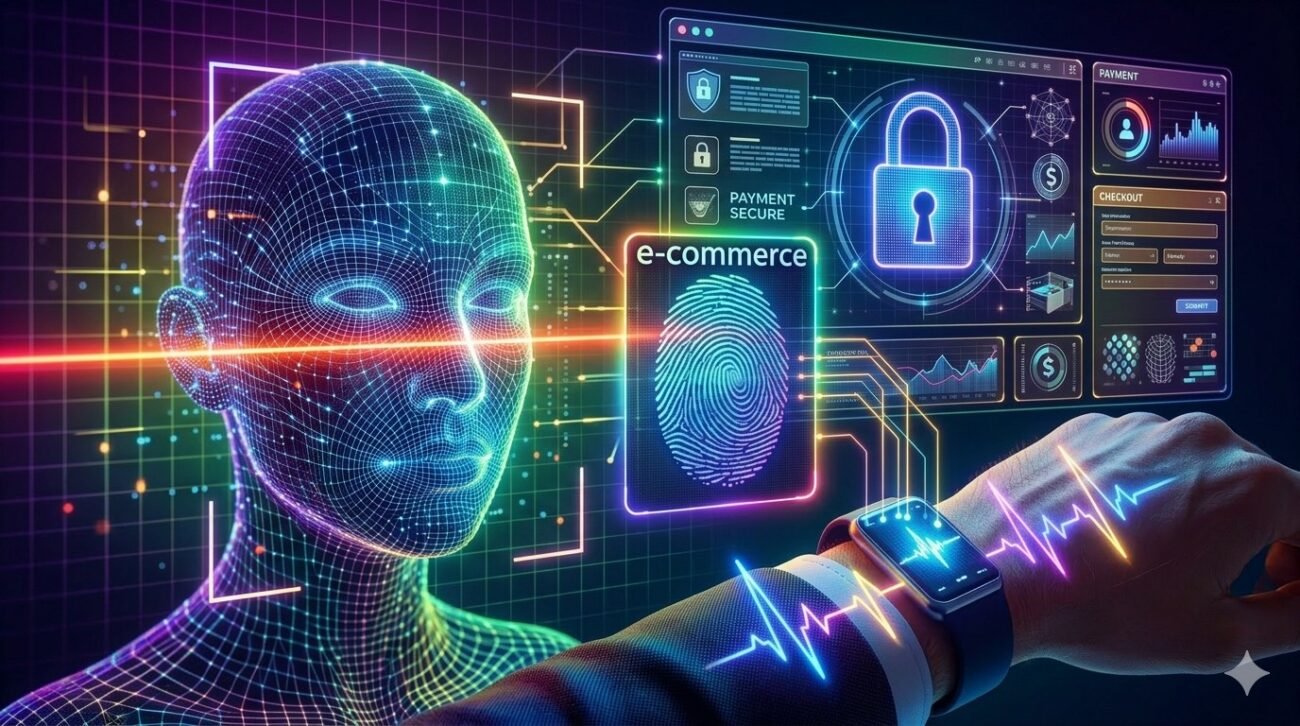
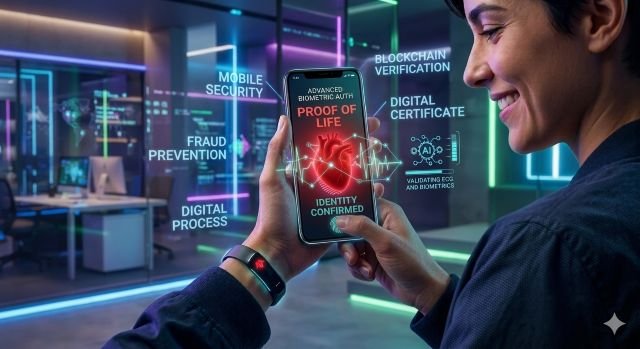
Heartbeat‑based biometrics are emerging as one of the most promising innovations in smartphone authentication. As digital fraud becomes more sophisticated and user experience turns into a decisive factor for the success of any mobile application, this technology offers a rare combination of strong security and everyday practicality. The idea behind it is straightforward: using real physiological signals — such as the user’s heartbeat captured through the smartphone camera — to confirm that the person interacting with the device is alive and physically present.
This approach marks a significant step forward compared to traditional methods. Facial recognition and fingerprint scanning rely on static physical traits that, in some cases, can be copied or simulated. Heartbeat patterns, however, are dynamic and uniquely tied to each individual, making them far more difficult to replicate. Another advantage is that the entire process happens directly on the smartphone, without the need for external devices or specialized hardware. This simplicity makes large‑scale adoption much more feasible for companies and end users.
Advantages
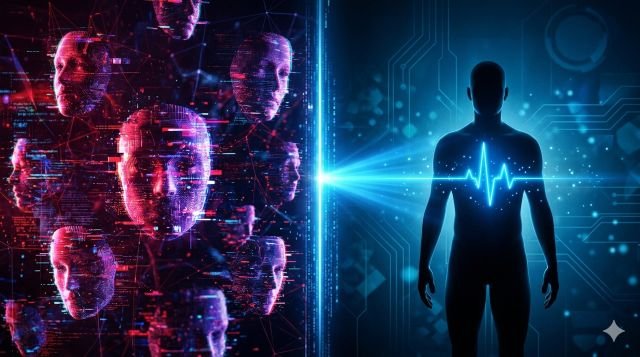
One of the strongest arguments in favor of this technology is the level of security it provides. By combining fingerprint data with physiological proof of life, the system creates a solid barrier against fraud attempts, especially during onboarding — a stage that is often targeted by criminals. Because the method requires real, measurable vital signs, it prevents the use of photos, videos, masks or other tricks commonly used to fool image‑based systems. As a result, the likelihood of fake accounts or unauthorized transactions drops considerably.
User Experience
User experience is another area where heartbeat biometrics stand out. Many apps struggle with authentication tools that fail repeatedly or behave inconsistently depending on lighting conditions, skin tones or age groups. Heartbeat‑based validation tends to be more stable and accurate, offering a quick and intuitive process. For users, this translates into fewer interruptions and a smoother journey — something especially valuable in digital banking, healthcare, pension services and e‑commerce. The concept itself is easy to understand: heartbeats naturally represent “being alive,” which makes the method feel familiar and trustworthy.
Social Impact
There is also a meaningful social impact. Heartbeat biometrics can simplify life for vulnerable groups who often face barriers in traditional identity verification processes. Pensioners, for example, can complete their proof‑of‑life checks without leaving home, avoiding long lines and unnecessary exposure. Patients who rely on digital health services also benefit from a secure and accessible way to confirm their identity remotely.
Easy Integration
From a technical standpoint, integrating this technology into mobile apps is relatively straightforward. Modern SDKs allow developers to embed biometric validation directly into their applications, reducing operational costs and speeding up the creation of safer digital solutions.
Taken together, heartbeat biometrics represent a significant evolution toward more human, efficient and reliable authentication. For companies seeking the right balance between security and user experience, this technology offers a strategic advantage that is becoming increasingly difficult to overlook.