
BLOG
The impact of aging, scarring or weight loss on facial biometrics

The impact of aging, scarring or weight loss on facial biometrics
Aging is a natural process, but its effects on facial biometrics are significant. Wrinkles, sagging skin, loss of volume and changes in bone structure can modify key points used by identification algorithms. This explains why, in some cases, facial recognition does not work as expected, especially in older systems or those not trained to handle variations over time.
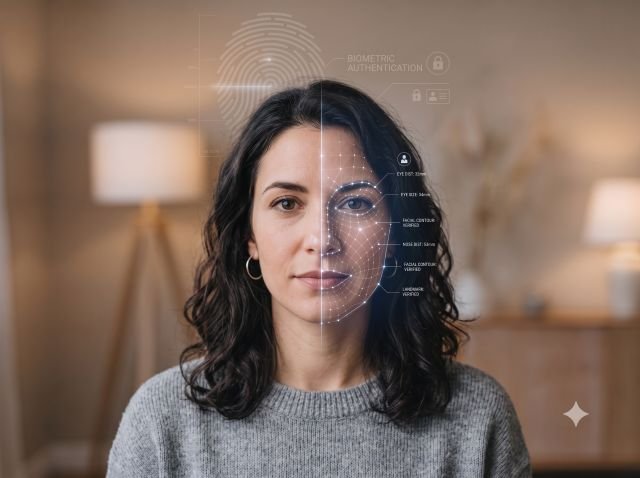
Facial biometrics rely on mathematical patterns extracted from the face, such as the distance between the eyes, nose shape, jawline contour and skin texture. As the years pass, these elements gradually change, and systems that do not use advanced deep learning models may produce false positives (identifying the wrong person) or false negatives (failing to recognize the correct person).
To reduce errors, modern technologies incorporate adaptive models that update biometric profiles over time, ensuring greater accuracy in processes such as digital identity, customer onboarding, and INSS proof of life.
What is biometric enrollment and why does facial biometric registration need to be updated?
Biometric enrollment is the process of collecting and storing an individual’s unique characteristics — fingerprints, iris, voice or face. In the case of facial biometrics, enrollment involves capturing high‑quality images that will serve as a reference for future validations.
But why update this enrollment?
Significant physical changes can compromise algorithm accuracy. The main reasons to re-enroll facial biometrics include:
- Accelerated aging
- Hormonal changes
- Sudden weight fluctuations
- Cosmetic procedures
- Reconstructive surgeries
- Extensive scarring
When the system does not keep up with these transformations, the rate of false negatives increases, hindering access to digital services — especially those requiring strong security, such as banks, insurance companies and government platforms.
Can scars and surgeries interfere with digital identity?
Deep scars, burns, facial trauma and plastic surgeries can significantly alter facial geometry. This directly affects digital identity, which depends on consistency between the current face and the one stored in the system.
Procedures such as rhinoplasty, facelifts, facial harmonization, buccal fat removal or implants can modify key points used by algorithms. In extreme cases, the system may fail to recognize the user, requiring a new biometric enrollment.
On the other hand, modern technologies can already handle minor scars or subtle changes thanks to neural networks trained to identify deeper facial patterns, such as bone structure and muscle behavior.
Do weight changes influence facial recognition?
Yes — and more than most people realize. Weight gain or loss can alter:
- Jawline contour
- Cheek volume
- Proportion between forehead, nose and mouth
- Skin texture
These changes directly impact the liveness process, which verifies whether the face is real and not a photo, video or mask. Sudden changes can confuse less robust systems, causing recognition failures.
In high-security environments such as banks and fintechs, this may affect customer onboarding, requiring new biometric capture to ensure digital identity remains accurate.
How does liveness work and why is it essential to prevent fraud?
Liveness detection is the technology that verifies whether the face presented to the system belongs to a real person in real time. It prevents fraudsters from using:
- Printed photos
- Recorded videos
- Hyper-realistic masks
- Deepfakes
Liveness analyzes microexpressions, depth, skin texture and natural reflections. Facial changes caused by aging, surgeries or weight fluctuations may affect these patterns, but advanced systems can adapt.
Without liveness, digital identity would be extremely vulnerable, especially in customer onboarding and financial verification processes.
When facial recognition fails — and what to do in these cases
Facial recognition failures can occur for several reasons:
- Significant physical changes
- Old biometric enrollment
- Poor lighting
- Low-resolution camera
- Liveness errors
- Outdated algorithms
When this happens, the ideal steps are:
- Update biometric enrollment
- Check if the app is up to date
- Repeat the process in a well-lit environment
- Remove facial accessories
- Contact the institution’s support team
For proof of life or access to essential services, institutions usually offer alternatives such as in-person validation or verification by an attendant.
The future of facial biometrics and how digital biometrics can reduce identification failures
Facial biometrics have advanced rapidly thanks to artificial intelligence models capable of tracking natural facial changes over time. These systems already reduce false positives and false negatives, detect deepfakes more accurately and apply advanced liveness, making processes such as digital identity, proof of life and customer onboarding more secure — even when users undergo surgeries, scarring or weight changes.
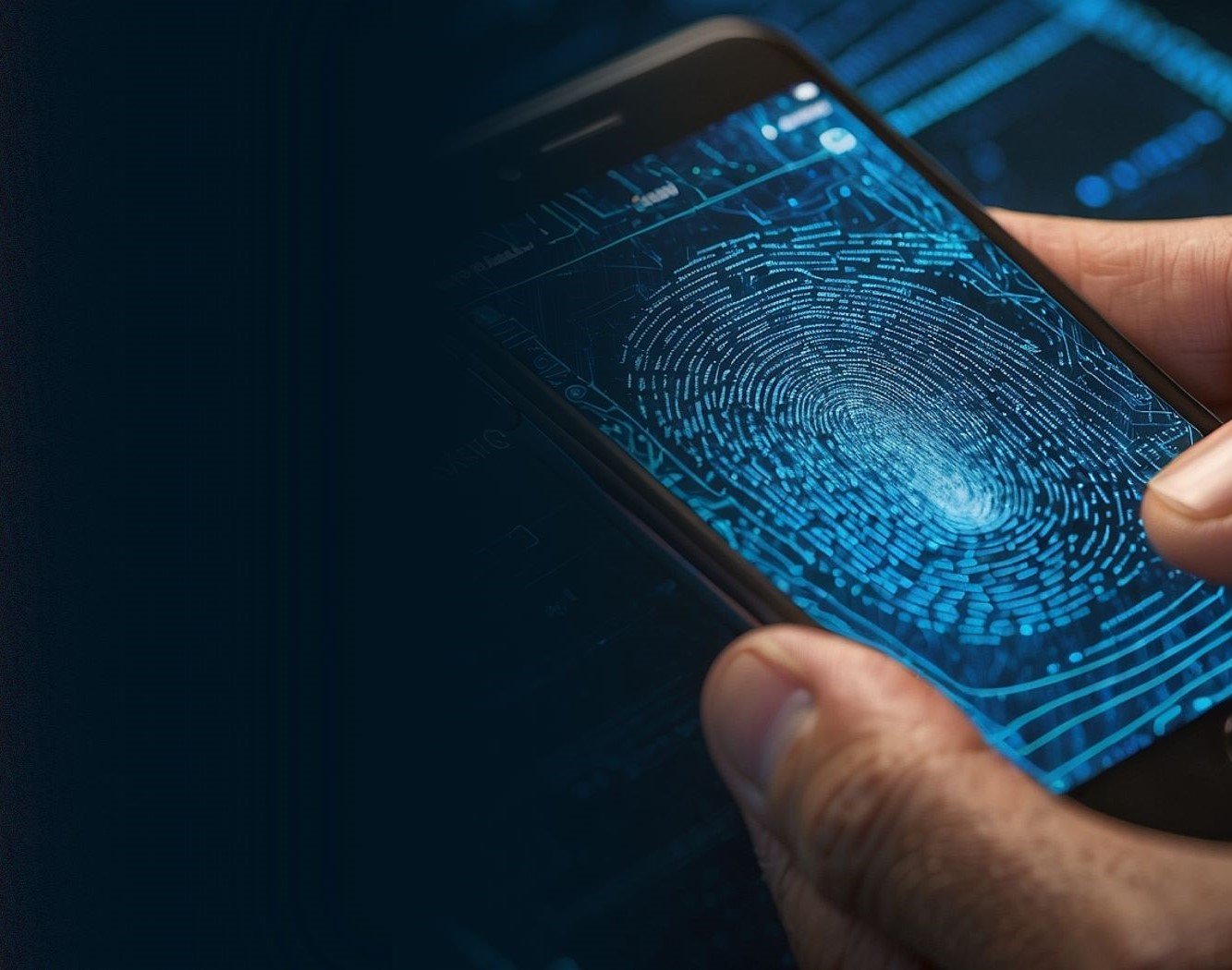
Despite these advances, facial biometrics still face limitations when the face undergoes major transformations. This is where digital biometrics, based on fingerprints, stand out as a complementary alternative. Fingerprints remain stable throughout life and are not affected by surgeries or aging, helping mitigate failures when facial recognition does not work properly.
Combining facial and digital biometrics creates a more robust authentication ecosystem, balancing convenience and security. While facial recognition offers a contactless experience, fingerprint biometrics provide additional stability. Together, these technologies strengthen digital identity and make critical processes — such as proof of life, benefit validation and account opening — more reliable for all user profiles.
Explore our Digital Biometric solutions to enhance the robustness of your operations.
Conclusion: how to maintain a reliable digital identity despite physical changes
Changes to the face — whether caused by aging, scarring, surgeries or weight fluctuations — can affect the accuracy of facial biometrics, especially in systems that do not update biometric enrollment over time. Even so, technology has evolved and now offers more robust features, such as advanced liveness and adaptive models capable of reducing false positives and false negatives.
Still, there are situations where facial recognition does not work properly, and this is where digital biometrics stand out as a complementary alternative. Fingerprints remain stable throughout life and can reinforce security in digital identity, proof of life and customer onboarding processes, ensuring continuity even when the face undergoes significant transformations.
Combining facial and digital biometrics creates a more reliable, accessible and resilient ecosystem. Integrating multiple authentication layers is the safest way to protect users and ensure essential services remain available, regardless of the natural physical changes each person experiences throughout life.