Blog
Biometric Friction in Digital Retail: How It Directly Impacts Conversion and Revenue

Biometric Friction in Digital Retail: How It Directly Impacts Conversion and Revenue
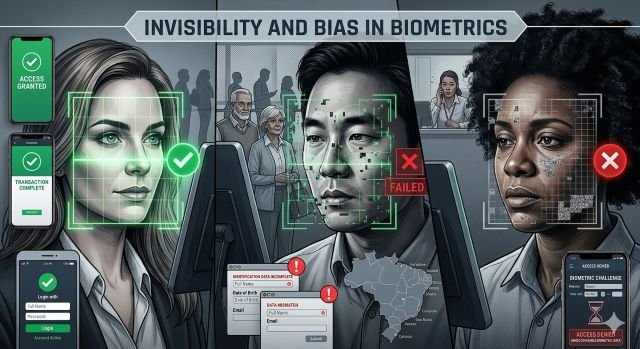
Biometrics have become a fundamental part of security in digital retail. Yet when the technology is poorly implemented, it can quickly turn into one of the biggest obstacles to conversion. Biometric friction in online retail doesn’t just affect the user experience — it has a direct and measurable impact on revenue. Many companies assume the issue lies only in the payment stage or cart abandonment, but a significant portion of lost revenue actually happens much earlier, during identity validation.
How biometric friction affects conversion
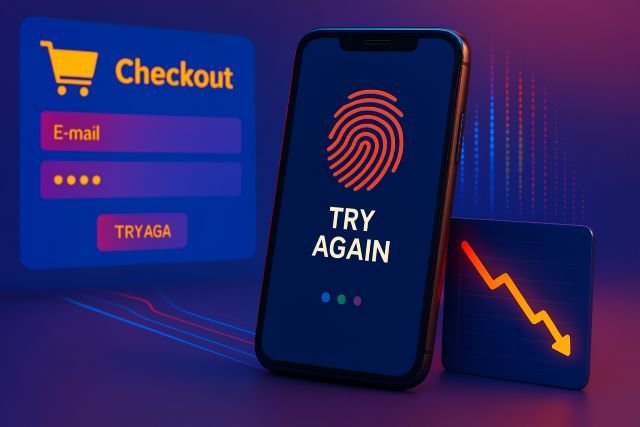
Whenever a customer is forced to repeat a biometric validation, frustration rises sharply. Studies indicate that after a second failed attempt, around 34% of users abandon the process. By the third attempt, abandonment can reach 52%. In other words, half of the customers who were already engaged and ready to complete their journey simply give up.
This friction leads to clear consequences:
- Decline in conversion rates
- Higher customer acquisition costs
- Wasted media investment
- Negative brand perception
In many cases, users don’t abandon the process because they lost interest — they leave because the system fails to work as expected.
The mistake of adding more security without strategy
As fraud attempts increase, some companies respond by adding extra verification steps. The result is usually a longer, more complex flow. The problem is that stacking security layers does not necessarily create stronger protection. When biometric validation relies solely on image capture and frequently fails to read correctly, the system forces repeated attempts — and each new attempt increases the likelihood of abandonment.
Biometric friction in digital retail often has less to do with the existence of validation itself and more to do with the lack of accuracy in the technology being used.
How to reduce friction without compromising security
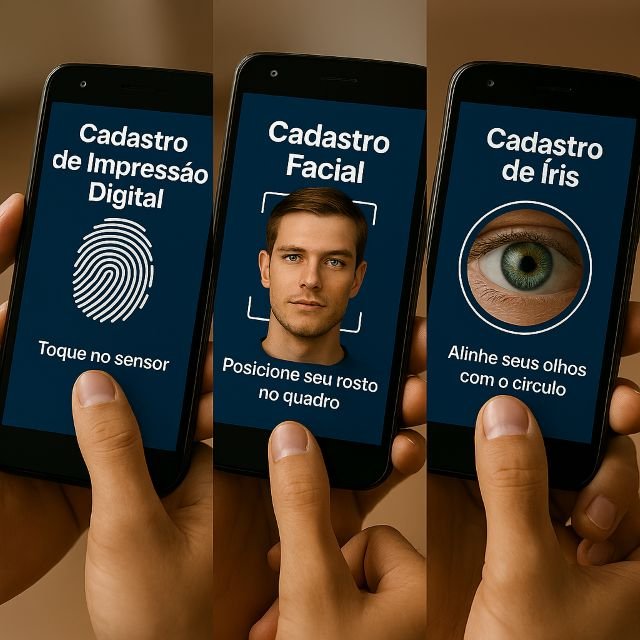
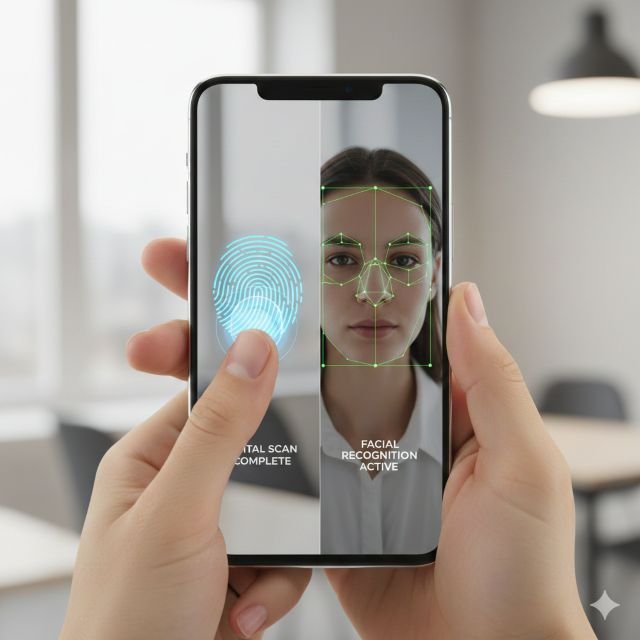
The key is adopting active biometric validation, designed to increase accuracy on the first attempt. Technologies that combine smartphone‑based fingerprint authentication with liveness detection using physiological signals — such as heartbeats captured by the camera — significantly raise the reliability of identification.
When validation is more precise, legitimate customers move through the process smoothly, while fraudsters encounter a real barrier. Reducing friction does not mean weakening security. It means applying technology capable of distinguishing genuine users from fraudulent attempts with greater precision.
In digital retail, every percentage point in conversion represents a direct impact on revenue. Ignoring biometric friction is essentially accepting silent losses that accumulate day after day.
Security and user experience should not compete. When validation is well‑designed, it is entirely possible to protect the operation while preserving — and even improving — conversion rates.
Retailers that understand this dynamic transform biometrics from a source of friction into a strategic advantage.