Blog
The Evolution of Authentication: Biometrics in Mobile Devices

The Evolution of Authentication: Biometrics in Mobile Devices
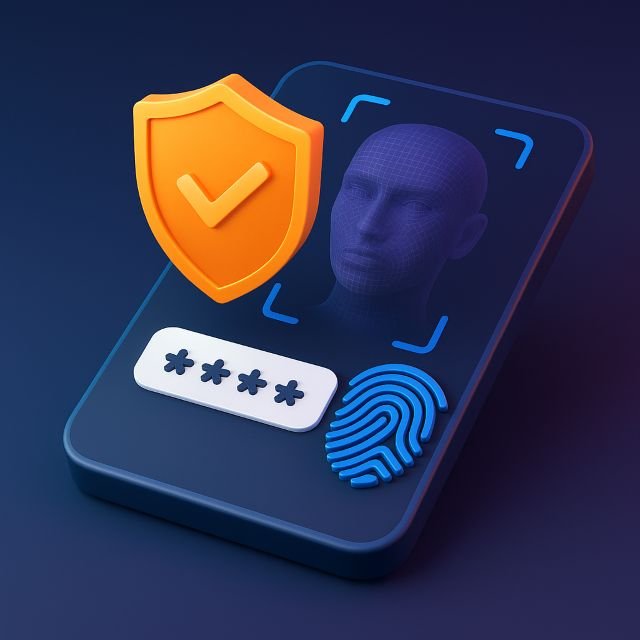
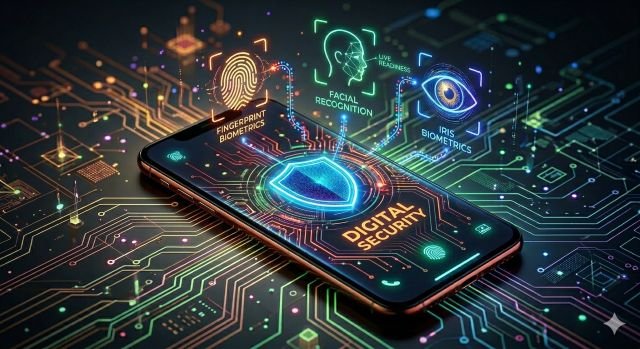
Smartphone security is no longer just an extra feature — it has become an essential part of our daily lives. Since we store banking information, personal data, and even official documents on our phones, biometrics has become one of the most practical and reliable ways to prevent unauthorized access. Unlike traditional passwords, which can be forgotten, copied, or leaked, biological traits belong exclusively to the user, offering protection without sacrificing speed.
Fingerprint Scanners: The Gateway to Mobile Biometrics
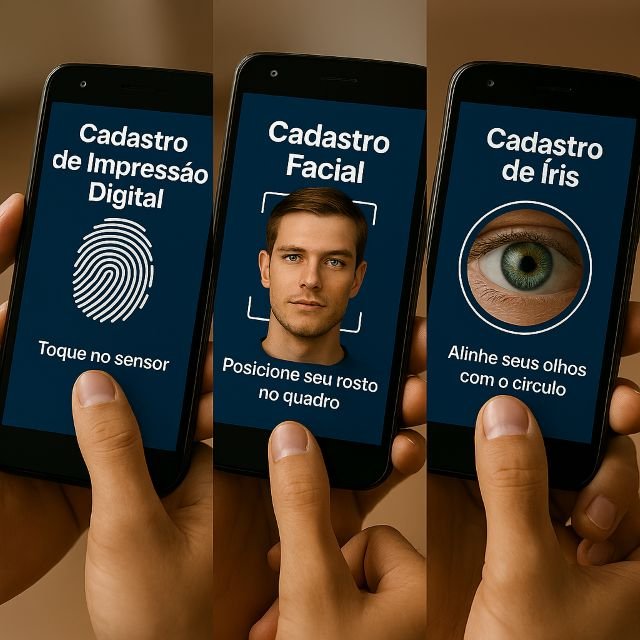
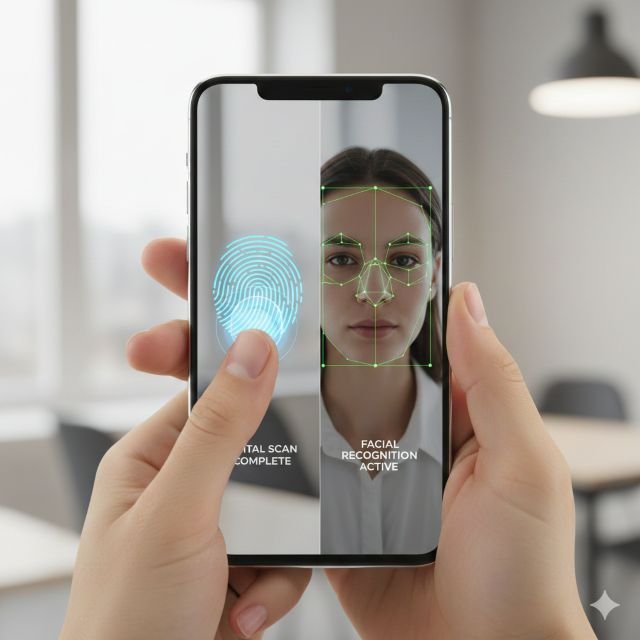
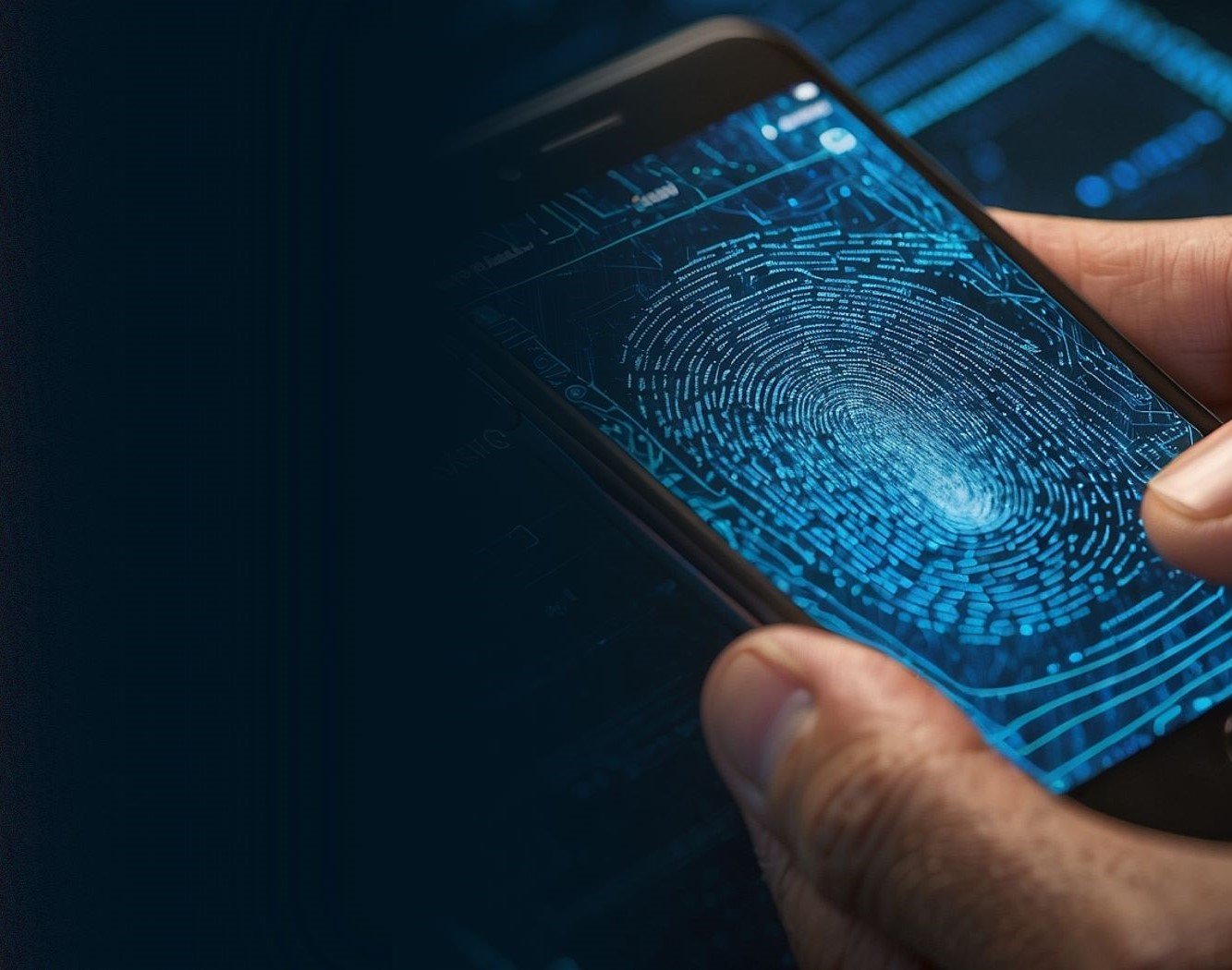
Fingerprint readers were the first major step in popularizing biometrics on smartphones. Over time, sensors have evolved significantly: they moved from physical buttons to under‑display systems using optical and ultrasonic technologies.
- Advantages: It’s a fast, inexpensive solution that the industry has mastered. Optical (camera) and ultrasonic sensors can read fingerprints even when traditional contact-based readers struggle.
- Disadvantages: Cuts or natural wear on the fingers can interfere with recognition.
Facial Recognition: Convenience and Cutting‑Edge Technology
With the arrival of depth sensors and more advanced algorithms, facial recognition gained traction, especially in high-end devices. Today, it appears in two main versions: 2D (image-based) and 3D (depth-mapping).
- Advantages: Extremely convenient — you just look at the device — and it requires no physical contact. 3D systems are far more secure and harder to spoof.
- Disadvantages: 2D versions offer limited protection. Meanwhile, 3D systems may fail in specific situations, such as very bright sunlight or when accessories cover key parts of the face.
Iris and Retina Scanning: Maximum Security
Although not very common in current smartphones, iris recognition systems remain among the most secure biometric authentication methods.
- Advantages: The iris is extremely difficult to forge and remains stable throughout life. It also requires no touch — great for users wearing gloves.
- Disadvantages: The necessary hardware is expensive and requires special cameras. The experience can also be less comfortable, as the user must hold the device close to their eyes.
New Frontiers in Biometrics
Beyond traditional methods, new alternatives are emerging, such as behavioral biometrics — which analyze usage patterns — and vascular recognition, which identifies vein structures. Many of these technologies work discreetly, verifying the user’s identity in the background.
The Good and the Sensitive Side of Biometrics
Overall, biometrics reduces dependence on passwords and makes social engineering attacks more difficult. However, it introduces a sensitive issue: privacy. If a password leaks, you can create a new one. But if your fingerprint or face data is compromised, there’s no way to “replace” it. For this reason, protecting biometric databases must be extremely rigorous.
Conclusion
No method is perfect. This is why multifactor authentication — combining different types of biometrics for more sensitive operations — is becoming more common. As smartphones increasingly become part of our digital identity, biometrics will continue to evolve, becoming more precise, discreet, and seamlessly integrated into our daily routines.