Blog
Fingerprint authentication as a second MFA factor: a stronger alternative to SMS

Fingerprint authentication as a second MFA factor: a stronger alternative to SMS
Multi‑factor authentication (MFA) has become a basic requirement for any service that handles sensitive information or financial transactions. For years, SMS codes were the most convenient way to add an extra verification layer, but that landscape has changed. Attacks involving SIM swapping, message interception, and social engineering have exposed weaknesses that can no longer be overlooked. In this scenario, fingerprint authentication performed directly on the smartphone emerges as a far more solid and technically reliable alternative.
Why biometrics provide a stronger layer of protection
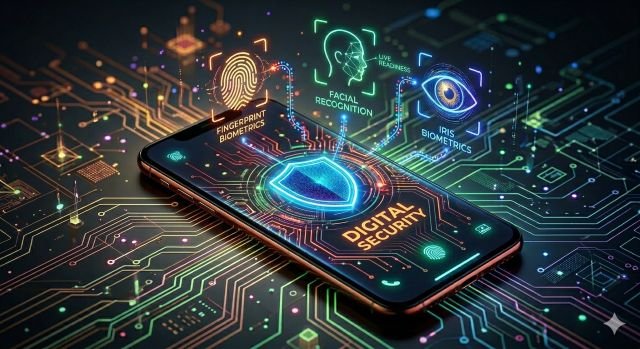
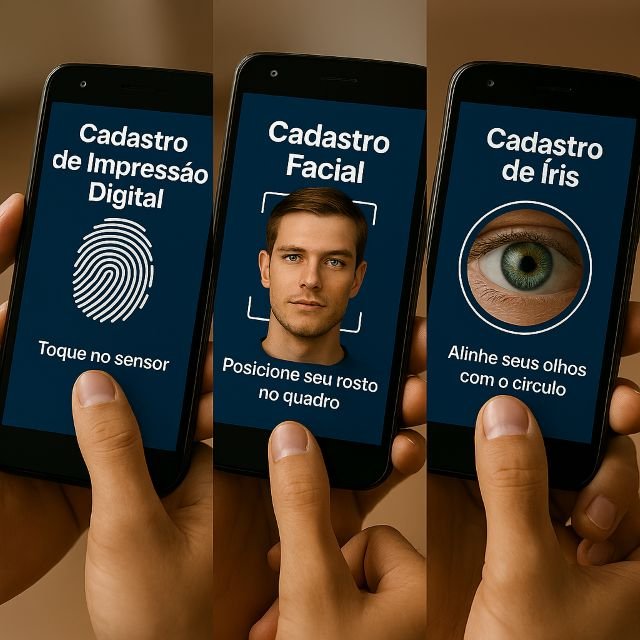
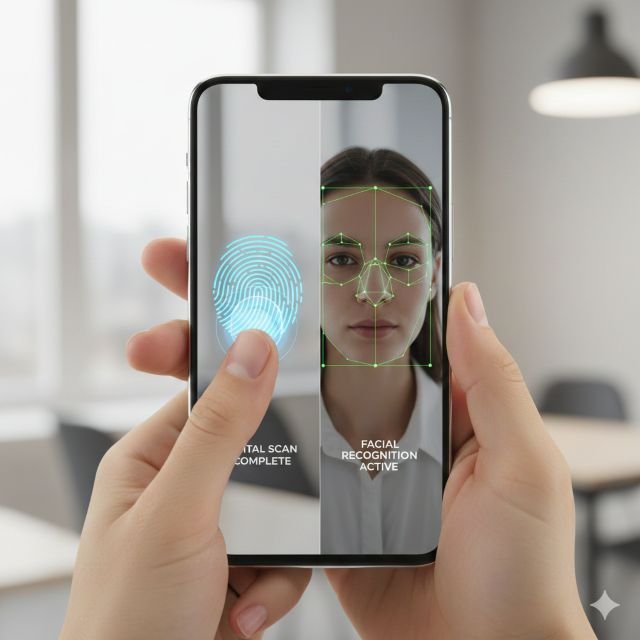
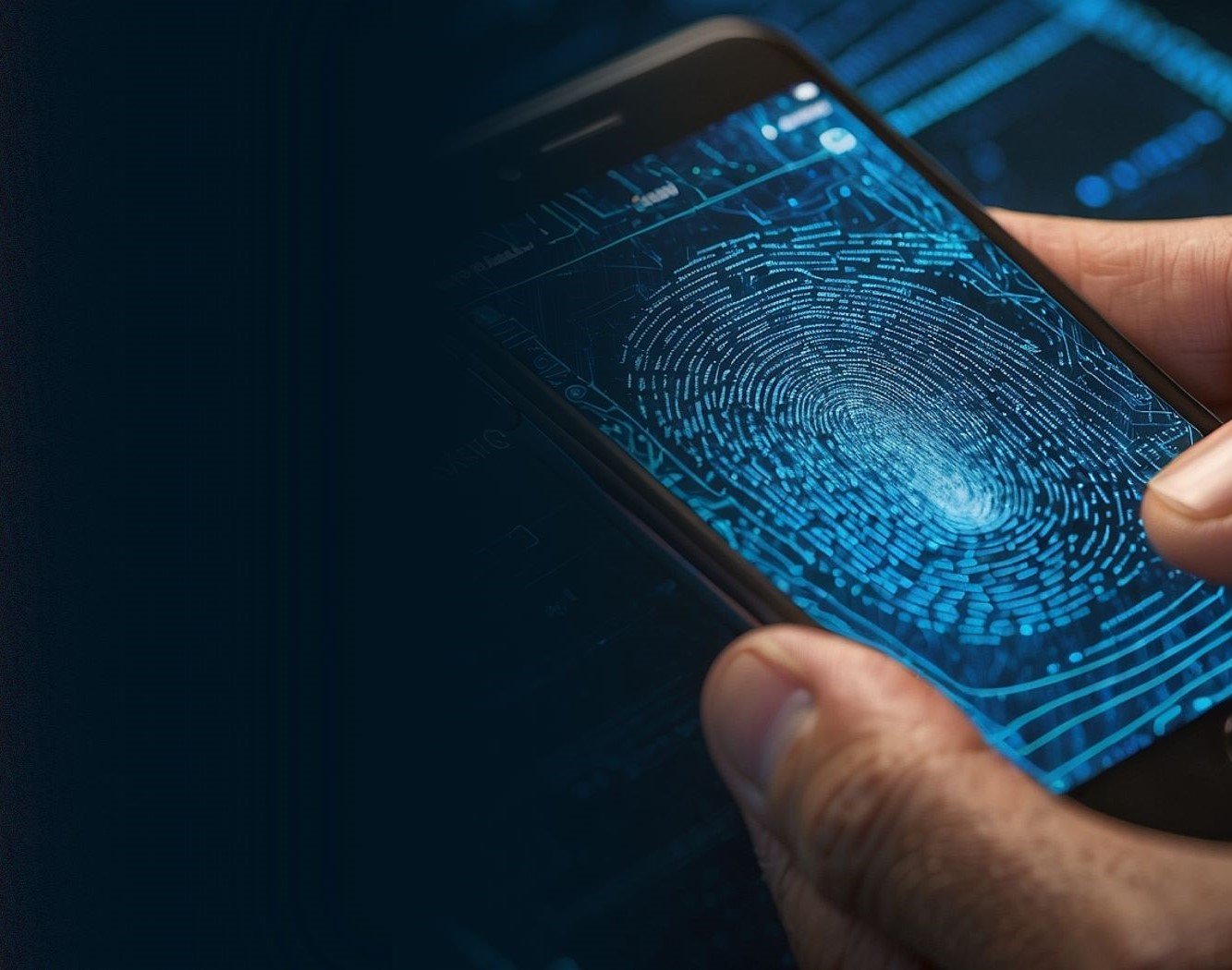
The key difference between SMS verification and fingerprint authentication lies in the nature of the factor being used. SMS relies on an external resource — the phone number — which can be redirected, cloned, or compromised through carrier‑level manipulation. Biometrics, on the other hand, are tied to a physical characteristic of the user and are processed locally, either through dedicated hardware or within a protected environment such as a secure enclave.
Biometric authentication is also inherently resistant to social engineering. An attacker may be able to persuade someone to share a code received by SMS, but they cannot “request” a fingerprint in the same way. This drastically reduces the chances of a successful attack based on psychological manipulation.
Efficiency and reduced friction
From an operational standpoint, biometrics offer additional advantages. Authentication is quick, requires no typing, and works even without mobile signal. In corporate environments — especially those that adopt BYOD policies, where employees use their own smartphones — this eliminates common issues such as outdated personal numbers, swapped SIM cards, or poor network coverage. It also removes the recurring cost of sending SMS messages, which can become significant at scale.
Sectors that benefit the most
Although biometric MFA is already common in several industries, some sectors stand out due to their heightened need for security:
- Financial institutions: High‑risk transactions can require biometric confirmation, ensuring that only the device owner can proceed.
- Corporate environments with BYOD: Biometrics reduce dependence on physical tokens and avoid complications tied to personal phone numbers.
- Sports betting platforms: These services deal with heavy traffic, constant financial movement, and frequent fraud attempts. Biometrics help prevent account takeovers, block the misuse of SMS on cloned SIM cards, and speed up login — a critical factor for live betting.
- Systems that must operate offline: Industrial operations or remote fieldwork benefit from a method that does not rely on connectivity.
- Password managers and digital vaults: Biometrics add an extra barrier to protect highly sensitive data.
Conclusion
SMS played an important role in popularizing MFA, but its limitations have become increasingly clear. Fingerprint authentication offers a rare combination of strong security, low friction, and independence from network infrastructure. As biometric sensors continue to improve and secure environments on smartphones become more robust, this method is likely to become the standard second factor for sectors that demand high reliability — from banking to betting platforms and beyond.