Blog
Use of Multiple Fingers in Fingerprint Biometrics: Technical and Operational Benefits


Use of Multiple Fingers in Fingerprint Biometrics: Technical and Operational Benefits
Introduction
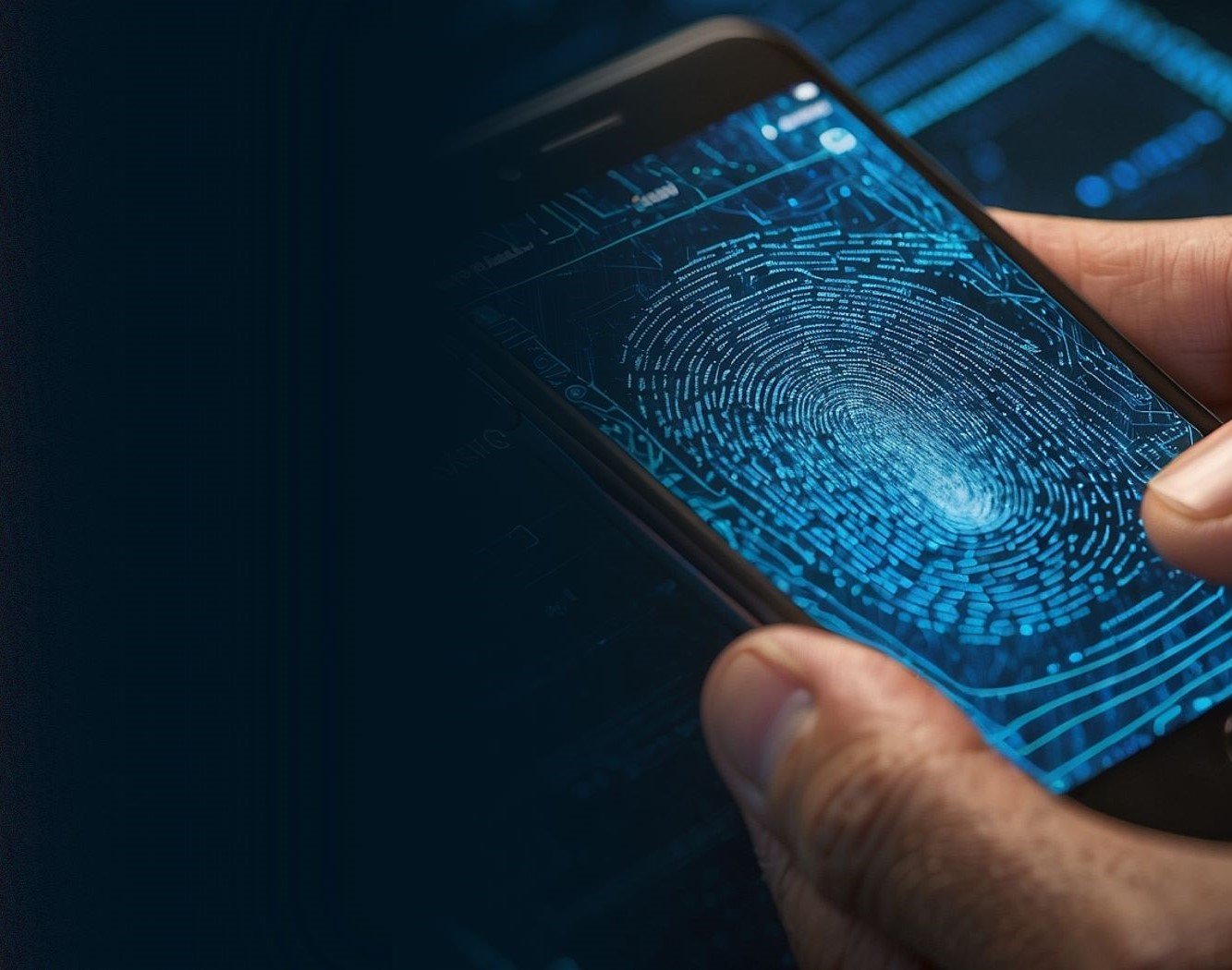
Fingerprint authentication (digital biometrics) remains one of the most established biometric technologies due to its morphological stability, low implementation cost, and high accuracy. However, the practice of registering only one finger is still common in many systems, which limits the full potential of the technology. Adopting multiple fingers during the enrollment process (initial capture) significantly increases the robustness, availability, and security of the system.
Reliability and Reduction of False Rejections
Fingerprint reading depends on physiological and environmental factors. Small variations — skin abrasion, moisture, dirt, micro‑injuries, or wear caused by repetitive activities — can compromise the quality of the captured image.
When the system has multiple enrolled fingers, the false rejection rate (FRR) consistently decreases. This happens because the algorithm can rely on an alternative finger when the primary one does not present sufficient quality for minutiae extraction. In industrial or hospital environments, where hands are frequently exposed to agents that impair reading, this redundancy is essential to maintain operational continuity.
Increased Security and Fraud Resistance
From a security standpoint, using multiple fingers expands the available biometric space. Systems that require multifactor biometric authentication — for example, with two distinct fingers — exponentially increase the difficulty of spoofing‑based attacks.
The probability of simultaneously forging two valid fingerprints is extremely low, especially when the sensor uses liveness detection techniques such as texture analysis, skin electrical response, or multispectral imaging. Thus, multiple fingers not only increase convenience but also strengthen the barrier against sophisticated attacks.
Improved Algorithmic Performance
Modern fingerprint recognition algorithms use statistical models and neural networks to extract and compare minutiae. The larger the biometric dataset collected during enrollment, the more accurate the user profile becomes.
Registering several fingers allows the system to:
- adjust matching parameters with greater precision
- reduce false positives (FAR)
- improve the system’s overall ROC curve
- optimize performance on smaller-area sensors, such as those found in smartphones
This improvement depends not only on the number of fingers but also on the morphological diversity among them, which provides the algorithm with a richer set of patterns.
Availability and Continuity of Access
In critical systems (biometric access control, border control, data centers, laboratories, high-security corporate environments), biometric availability is just as important as security.
Using multiple fingers ensures that users maintain access even in situations such as:
- temporary immobilization of one hand
- injuries
- use of PPE that limits the reading of certain fingers
- temporary skin changes
This redundancy reduces the need for contingency procedures, such as manual authentication or credential reissuance.
Conclusion
Using multiple fingers in fingerprint biometrics is not just an operational recommendation but a practice that improves fundamental system metrics: security, accuracy, availability, and resilience. In a scenario where biometric authentication is becoming increasingly central to digital and physical infrastructures, expanding the user’s biometric set is a simple, low-cost measure with a direct impact on system reliability.
“Want to learn more about our multi‑finger biometric solutions with the option of authentication through SERPRO’s database (with up to 10 fingers)? Click here.