Blog
When the biometric method offered doesn’t work for the customer? That’s when biometric fallback comes in


When the biometric method offered doesn’t work for the customer? That’s when biometric fallback comes in
Introduction
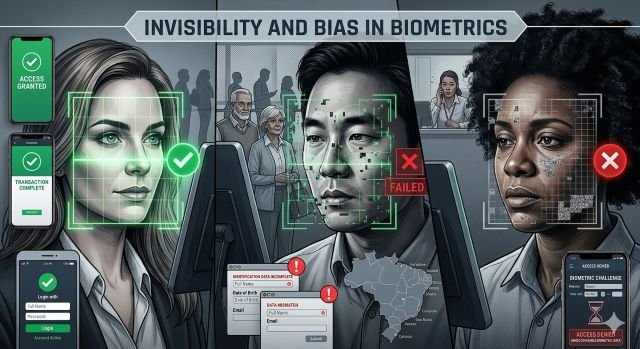
Complaint websites are full of negative posts: “biometrics don’t work for me because I’m Black,” “facial recognition doesn’t respect the elderly,” “racist biometrics,” “I got Botox and now my biometrics don’t work.” Despite this — and despite evidence in customer service centers — few companies bother to measure the impact, especially in a country with enormous ethnic diversity and where the fastest‑growing population segment is the elderly.
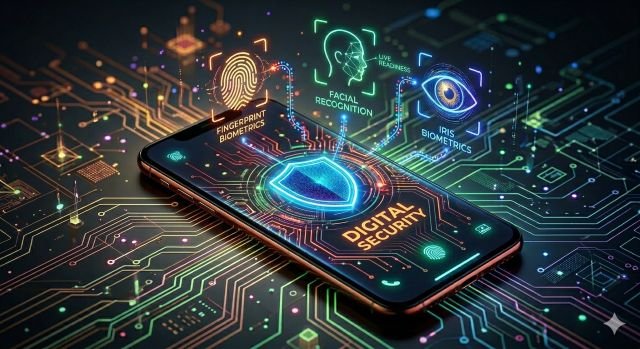
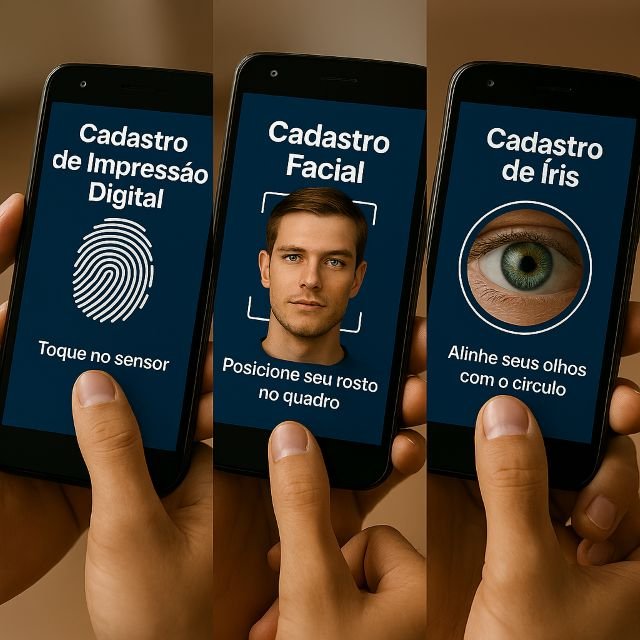
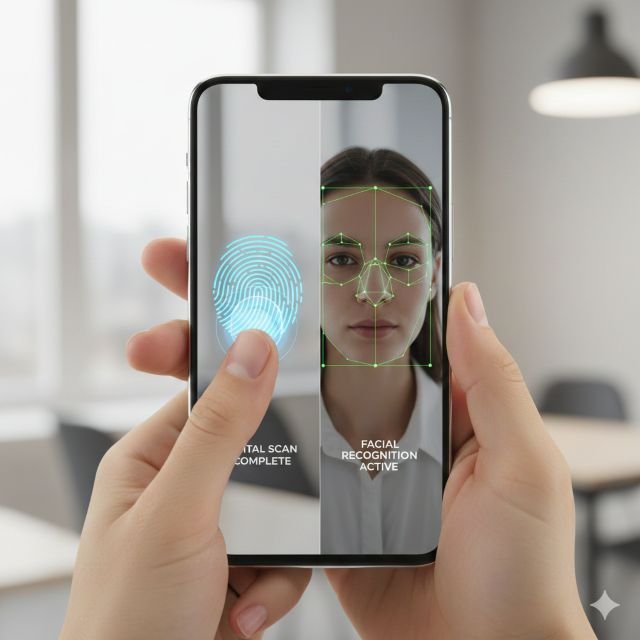
The use of biometrics as an authentication method has become standard across various sectors — from banks to public services. However, despite its accuracy, no biometric method is infallible. This is where the concept of biometric fallback becomes relevant: offering the user a secure alternative when the primary modality fails. Adopting multiple modalities, such as facial recognition and fingerprint scanning, not only improves customer experience but also strengthens system resilience (this is a multibiometric strategy).
Why biometric fallback is necessary
Biometric recognition depends on physical and environmental factors. A camera may struggle to identify a face in low lighting; a user’s ethnicity may not work well with a specific biometric modality; people who wear glasses may be unable to enroll their face or complete liveness checks; a fingerprint sensor may fail if the finger is wet; a user may feel uncomfortable with iris scanning or may not want their face scanned (due to a facial disability). These situations are not security failures — they are natural limitations of the technology.
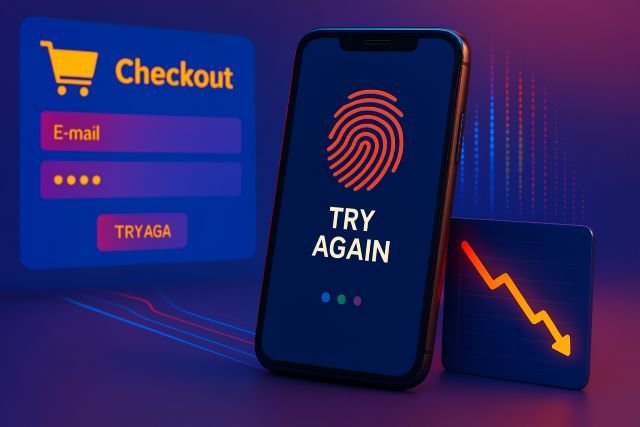
On average, the market sees a loss ranging from 2% to 15% of transactions when biometrics are poorly orchestrated or face technical limitations.
When the system offers no alternatives, the user becomes stuck in a frustrating loop of attempts. This increases friction, leads to abandonment, and undermines trust in the service. Biometric fallback exists precisely to avoid this scenario: it allows the user to continue the authentication flow using another equally secure modality.
Multiple modalities as a solution
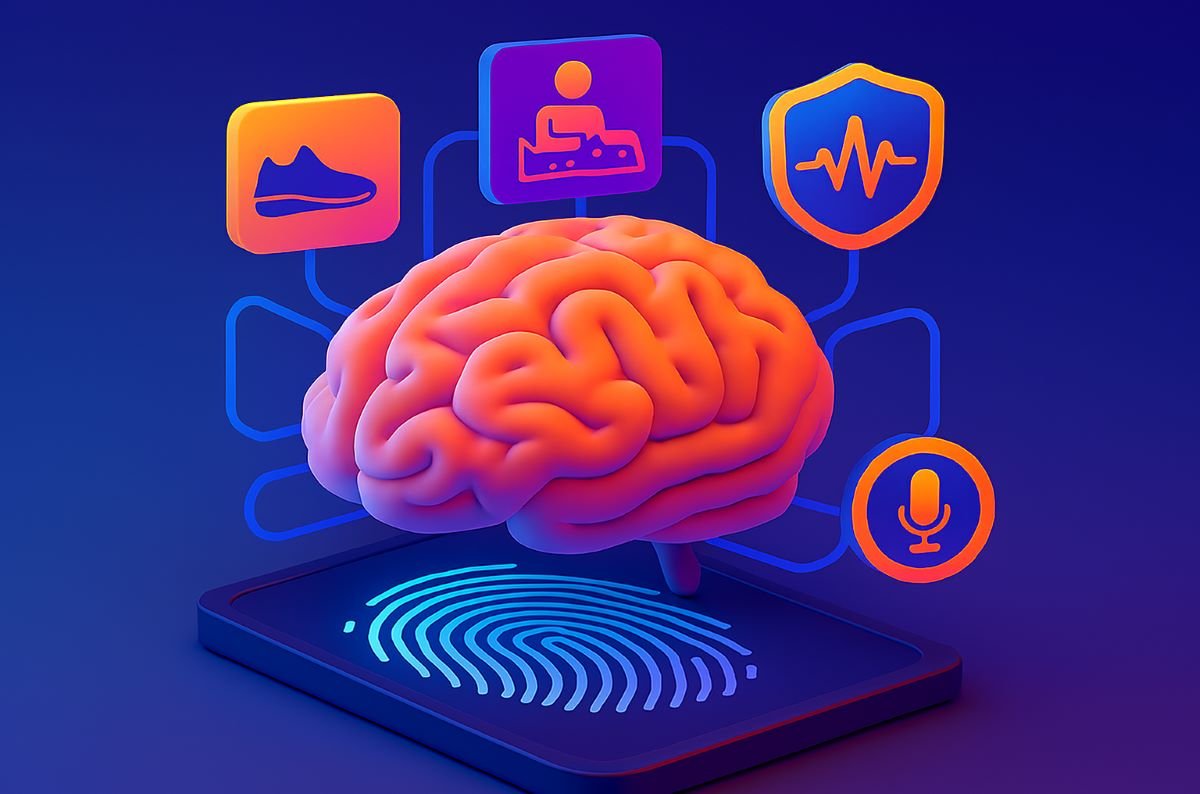
Combining different biometric modalities creates a more robust ecosystem. Each technology has its own characteristics:
- Facial recognition — fast, contactless, ideal for mobile devices and controlled environments. However, sensitive to ethnicity, age, lighting, and angles.
- Fingerprint recognition — extremely accurate, mature, and widely adopted. Can fail with injured or worn fingertips.
- Voice recognition — useful in hands‑free scenarios but vulnerable to external noise.
- Behavioral biometrics — analyzes usage patterns such as typing or movement, functioning as a complementary layer. It struggles when the user changes devices, types while moving (e.g., on a phone), or when behavioral noise occurs (stress, distraction, mood, illness).
By integrating two or more of these modalities (a form of multibiometrics), the system drastically reduces the likelihood of total failure. If facial recognition doesn’t work, fingerprint takes over. If both fail, behavioral biometrics can act as a silent reinforcement.
Impact on user experience
From the customer’s perspective, biometric fallback gives the impression that the system “understands” their circumstances. They don’t need to worry about having their hands full, having just washed their face, or being in a dark environment. Authentication simply happens.
Additionally, multiple modalities allow personalization. Users can choose the most comfortable authentication method, which increases adoption and reduces technical support. In sectors like finance, where security is critical, this flexibility becomes a competitive advantage.
Technical considerations
Implementing multiple modalities requires attention to several points: • Modular architecture to allow algorithm replacement or updates. • Standardization of biometric templates to ensure interoperability. • Adaptive risk management, adjusting the level of requirement according to context. • Protection of sensitive data, since biometric information is irreplaceable.
When well designed, the system balances security, privacy, and usability.
Conclusion
Biometric fallback is not just a contingency feature; it is an essential part of a modern authentication strategy. By offering multiple modalities, companies reduce failures, increase user satisfaction, and build more resilient systems. In a world where digital identity is central, investing in biometric diversity is no longer optional — it has become a quality requirement.