BLOG
Fingerprint and Facial Biometrics: The Combination Redefining Risk and Delinquency in Retail

Fingerprint and Facial Biometrics: The Combination Redefining Risk and Delinquency in Retail
Introduction
Delinquency remains one of the biggest challenges for Brazilian retail, especially in operations that rely on store credit, installment plans, and in‑house financing. In a competitive environment, ensuring customer identity at the moment of purchase and throughout the relationship has become essential. Mobile digital biometrics, based on fingerprint authentication, has emerged as an effective solution to reduce fraud, improve credit quality, and increase debt recovery. When combined with facial biometrics, it becomes even more versatile and adaptable to different customer journeys. Read more about the role of fingerprint and facial biometrics, the combination redefining risk and delinquency in retail
Digital biometrics as fraud prevention
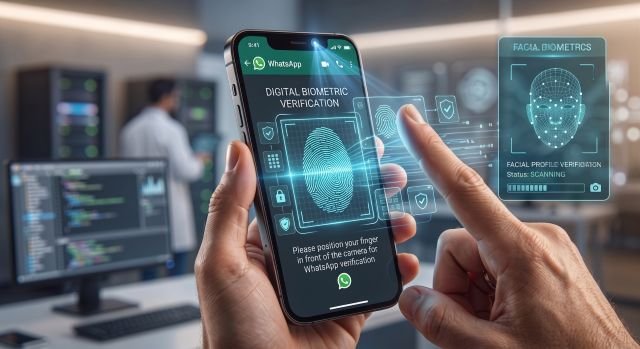
The widespread adoption of smartphones equipped with biometric sensors has turned the mobile phone into a highly reliable personal identification device. The fingerprint stored on the device belongs exclusively to the user, preventing third parties from using falsified documents or leaked personal data to open store credit accounts or make purchases. Even if a fraudster has access to someone else’s personal information, such as a Social security number or driver’s license number, they cannot complete the transaction without authenticating it with the true owner’s fingerprint. This additional layer of security significantly reduces delinquency caused by identity fraud.
Combining digital and facial biometrics
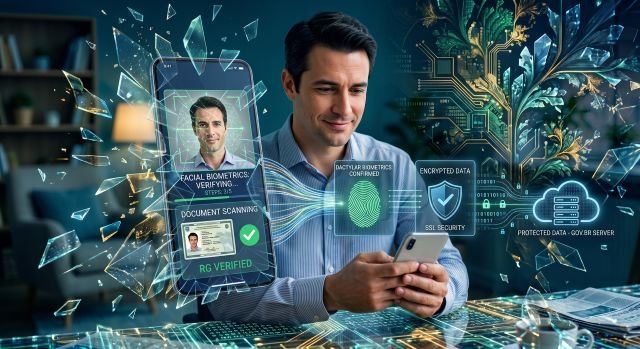
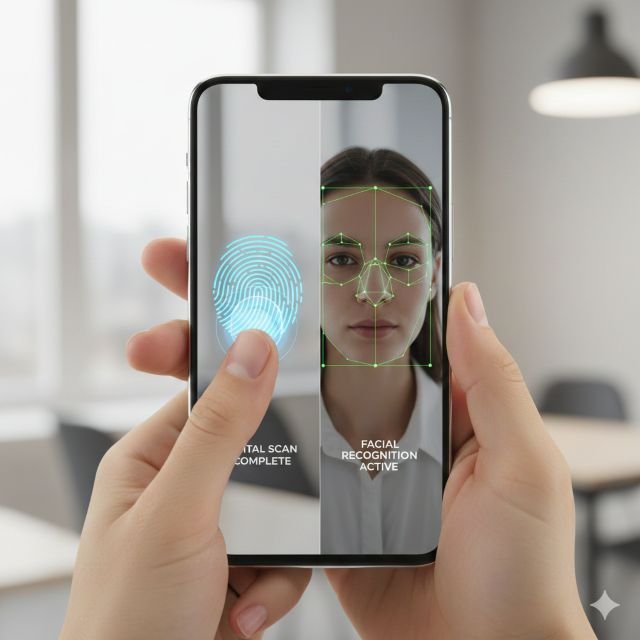
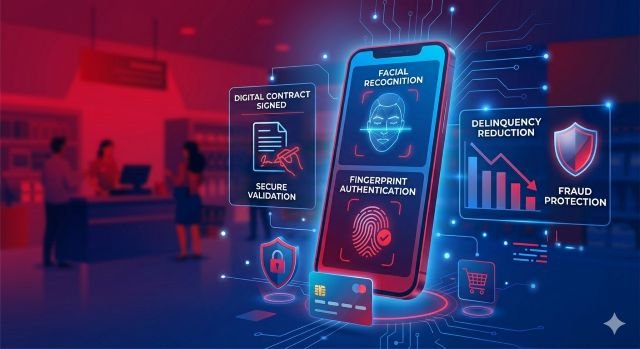
Depending on the customer journey, digital biometrics can be complemented by facial biometrics. In remote onboarding scenarios, for example, facial verification can confirm that the user is present and alive, while the fingerprint provides final authentication on the device. In renegotiations or contract signings, retailers may request the fingerprint to validate the transaction and facial recognition to reinforce identity proof. This combination increases security without compromising the customer experience, allowing each step to use the most appropriate method.
Improving data quality and credit decisions
Beyond preventing fraud, biometrics improves the quality of customer records. When customers confirm their information directly on their mobile phones, typing errors and inconsistencies decrease. This makes future contact easier and reduces issues that affect collection efforts. Biometrics also allows retailers to consolidate a customer’s history across different stores in the network, creating a more accurate view of payment behavior and enabling faster, more reliable credit decisions.
Biometric contract signing
One of the most significant advancements is the ability to sign contracts directly on a mobile device using fingerprint authentication. This applies to purchase agreements, store credit terms, financing contracts, and debt renegotiation agreements. The combination of fingerprint data, the document’s cryptographic hash, and device registration creates strong evidence of authorship and intent, reducing disputes and strengthening the legal security of transactions. Facial biometrics can complement this process when necessary, reinforcing the validity of the signature.
Conclusion
Mobile digital biometrics, combined or not with facial biometrics, offers retailers a modern and efficient way to reduce delinquency, prevent fraud, improve credit quality, and increase debt recovery. More than just a technology, it becomes a strategic differentiator for retail chains seeking to grow safely while delivering a smooth and trustworthy customer experience.
Read another article: Can you use biometrics on WhatsApp ?