
Blog
Fraud or Lost Transactions: Which One Creates the Greatest Financial Impact?

Fraud or Lost Transactions: Which One Creates the Greatest Financial Impact?
1. The Hidden Dimension of Legitimate Transactions Being Blocked
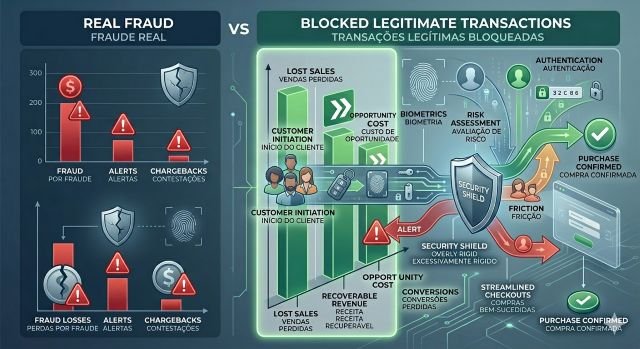
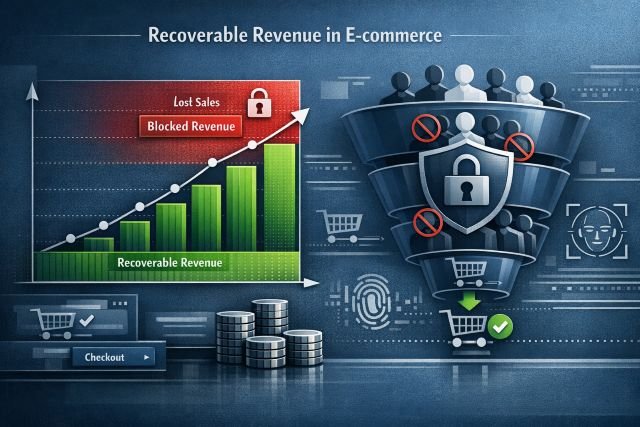
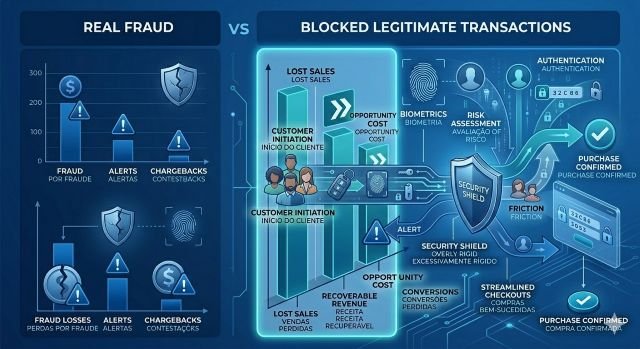
Fraud is a widely monitored issue in e-commerce: chargebacks appear in financial reports, and product losses directly affect cash flow. However, a frequently overlooked factor may generate an even greater financial impact than fraud itself: legitimate transactions that are incorrectly blocked, also known as Recoverable Revenue. This indicator represents the volume of genuine sales that fail to be approved due to overly strict rules, false positives, or friction in authentication processes. In practice, it reflects low-risk revenue that should have been captured but was lost due to operational inefficiencies.
2. The Effect of Excessive Control on Risk Strategy
In recent years, digital retail has intensified investments in fraud prevention. According to LexisNexis, e-commerce companies have increased spending on antifraud tools by 32% since 2020, reducing successful fraud attempts by an average of 18%. Although this progress is positive, it has produced a significant side effect: a rise in false positives. Research from Javelin Strategy shows that false positives can generate losses up to three times greater than actual fraud in mature operations. Additionally, 28% of consumers who experience an unjustified decline do not attempt to buy again from the same store, and 40% migrate to a competitor after a single negative authentication experience. This dynamic results in Legitimate Revenue Blockage, which compromises CAC, LTV, and future repurchase potential — often creating a financial impact greater than confirmed fraud losses.
3. Friction as a Direct Driver of Revenue Loss
Technologies such as biometrics, liveness checks, and multifactor authentication have increased security during onboarding and checkout, but when poorly calibrated, they introduce friction that reduces conversion. Recent data shows that 38% of users abandon the process after two failed biometric attempts, and 52% after three. Additionally, each extra second of page load time reduces conversion by 7% (Akamai), while checkouts with more than five steps can reduce conversion by up to 21% (Baymard Institute). Each abandonment represents a direct leak of revenue, reducing the marginal efficiency of acquisition investments and limiting the growth of the active customer base.
4. Security and Growth Do Not Need to Be Conflicting Goals
The classic e-commerce dilemma — flexible controls increase fraud, strict controls reduce conversion — does not need to be treated as a binary choice. The adoption of Biometric Balance models, which dynamically adjust risk rules based on behavior and context, allows companies to block identity fraud without increasing false positives. Organizations applying this model report reductions of up to 45% in false positives, increases of 8% to 12% in approval rates, and revenue growth of 5% to 9% without increasing risk exposure.
5. The Question That Defines Financial Efficiency
Most operations closely monitor fraud rates, but few systematically track the volume of legitimate revenue being blocked. The central question for CEOs and CFOs is: what is causing the greatest financial impact — actual fraud or legitimate transactions that should never have been blocked?